
Supporting women’s vocational training can do more than provide technical skills. It can help women develop practical abilities, explore employment opportunities, start small businesses, and work toward greater economic independence. For organizations, donors, and communities looking to support women’s empowerment, investing in vocational skills development can create meaningful opportunities for women to build more sustainable livelihoods.
What Is Women’s Vocational Training?
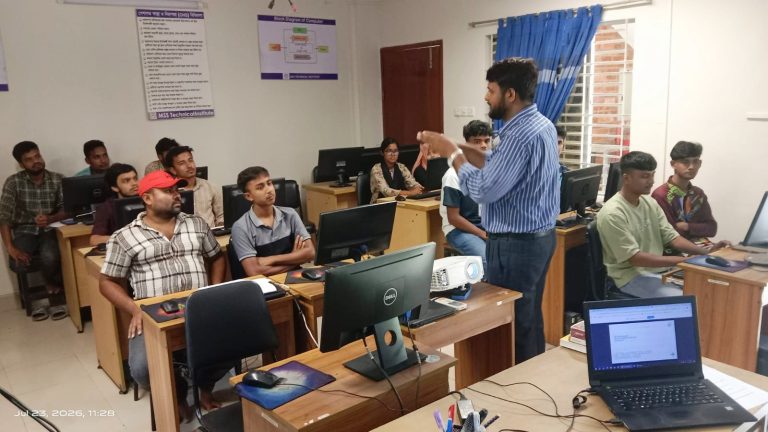
Women’s vocational training refers to practical education that helps women develop skills they can use for employment, self-employment, or small business activities. Depending on local needs, training may include sewing, tailoring, driving, refrigeration and air conditioning, beauty services, handicrafts, information technology, and other market-relevant skills.
Unlike purely academic education, vocational training focuses on practical skills that can be applied in real working environments.
Why Does Supporting Women’s Vocational Training Matter?
Access to useful skills can help women explore new sources of income and become more active participants in their families and communities.
Supporting vocational training can contribute to:
- Practical skill development for employment and self-employment
- Greater economic opportunities for women
- Small business and entrepreneurship opportunities
- Increased confidence and independence
- Improved household livelihood potential
- Stronger participation in local communities
However, training alone does not guarantee employment or income. Access to markets, equipment, finance, mentoring, and suitable job opportunities can also influence whether newly developed skills lead to sustainable livelihoods.
How Can Vocational Training Create Opportunities?
A woman who learns a practical skill may have several possible pathways after training. She may seek employment, provide services within her community, work independently, or use her skills to develop a small business.
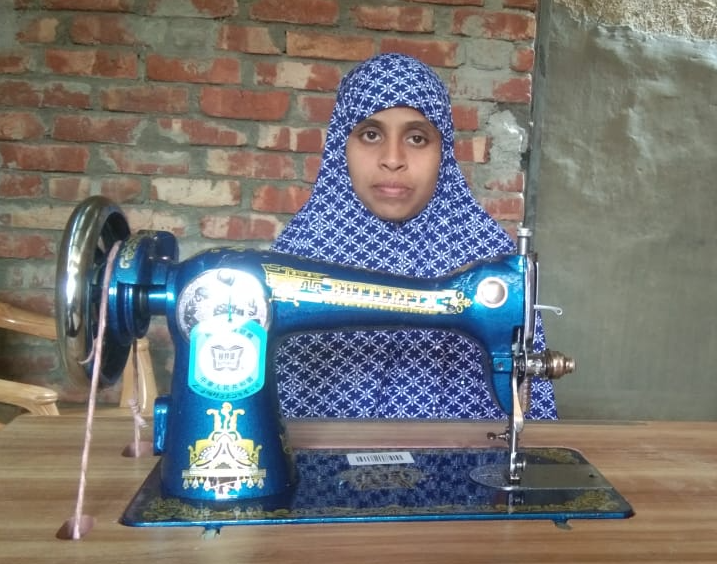
For example, sewing training can provide the foundation for tailoring or garment-related work. Technical training can prepare women for service-based opportunities, while entrepreneurship support can help turn a practical skill into a source of income.
The impact therefore goes beyond the classroom: skills can become a foundation for future economic opportunities when combined with the right support.
How Can Donors and Organizations Support Women’s Skills Development?
Supporting women’s vocational training does not only mean funding classroom instruction. Donors, organizations, and community partners can contribute by supporting:
- Training materials and equipment
- Practical vocational courses
- Sewing machines and other tools
- Entrepreneurship and business training
- Mentoring and follow-up support
- Market and employment connections
- Programs designed for women from underserved communities
These forms of support can help training programs provide more than lessons by creating an environment where women have opportunities to apply their skills.
SNAD Foundation’s Approach to Women’s Empowerment
SNAD Foundation Bangladesh supports women through vocational and livelihood-focused initiatives designed to develop practical skills and create opportunities for greater self-reliance.
One example is its sewing training initiative, where women receive practical sewing skills along with sewing machines to help them apply what they have learned. Providing equipment alongside training gives participants a practical resource they can continue using after completing their training.
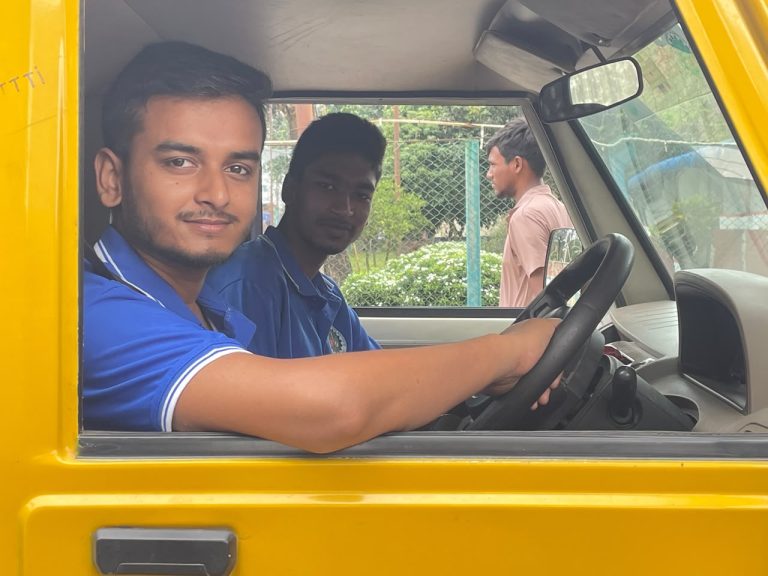
SNAD Foundation also supports women through other vocational areas, including refrigeration and air conditioning and driving and auto mechanics. These initiatives focus on developing practical skills that can potentially be applied to employment, self-employment, or other livelihood opportunities.
This makes the article more relevant to potential supporters because you’re showing exactly what support can look like rather than simply saying that donors can “support training.”
How Can You Support Women’s Vocational Training?
Supporting women’s vocational training can take different forms. Individuals and organizations can contribute by supporting training programs, providing equipment, creating employment opportunities, offering mentorship, or partnering with organizations working in women’s skills development.
When practical training is combined with appropriate resources and follow-up support, it can help create pathways toward employment, entrepreneurship, and more sustainable livelihoods.
Conclusion
Supporting women’s vocational training matters because skills can create opportunities. While training is not a guarantee of employment or financial independence, access to practical skills can give women a stronger foundation for pursuing work, entrepreneurship, and sustainable livelihoods.
For donors, organizations, and communities, supporting women’s skills development is one way to contribute to programs that focus on practical opportunity, empowerment, and long-term self-reliance.
Learn More:
The Importance of Women Empowerment in Bangladesh
SNAD Foundation’s Project on Empowering Women for Sustainable Livelihoods