
World Bank Annual Meetings 2026 brought SNAD Foundation Bangladesh into global discussions on development, job creation, investment, and inclusive economic growth in Bangkok, Thailand. Through its participation, SNAD explored global perspectives on turning development priorities into practical opportunities for underserved communities across Bangladesh.
From creating employment opportunities to exploring small-scale artificial intelligence (AI), the discussions highlighted how investment, technology, and local solutions can work together to support sustainable development. These priorities are particularly relevant to expanding access to healthcare, strengthening agriculture, improving financial inclusion, and creating livelihood opportunities for communities in need.
What Are the World Bank Group Annual Meetings?
The World Bank Group Annual Meetings bring together government representatives, development institutions, private-sector leaders, and other stakeholders to discuss major economic and development challenges.
The 2026 meetings in Bangkok focused on development priorities that included investment, employment, economic growth, and the role of technology in improving development outcomes.
For organizations such as SNAD Foundation Bangladesh, these discussions are relevant because progress in areas such as healthcare, agriculture, education, and financial inclusion depends on practical solutions that respond to the needs of local communities.
Connecting Investment with Job Creation
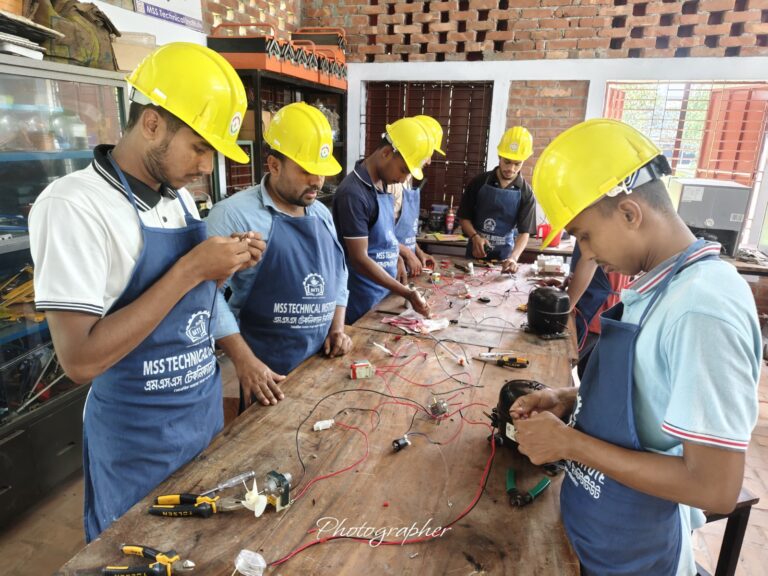
Job creation remains an important challenge for developing economies. Expanding employment opportunities requires more than investment alone. It also depends on infrastructure, education, practical skills, access to finance, and an environment in which businesses can grow.
During the Annual Meetings, SNAD Foundation Bangladesh attended the World Bank’s flagship event, “Unlocking Investment Opportunities in Emerging Markets to Create Jobs.”
The event highlighted the importance of connecting investment with opportunities for employment and economic development in emerging markets.
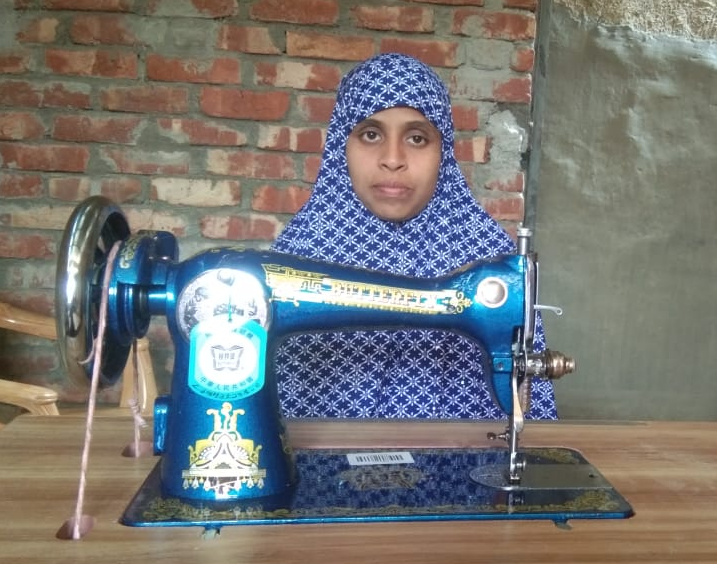
For Bangladesh, this perspective is particularly relevant to underserved communities where access to employment, skills development, and economic opportunities can be limited. Supporting local livelihoods and improving access to essential services can help communities participate more fully in economic development.
SNAD Foundation Bangladesh recognizes the importance of connecting global development priorities with local action, with the aim of supporting livelihoods, expanding opportunities, and contributing to lasting community impact.
How Can Small AI Solutions Support Rural Healthcare?
Artificial intelligence is increasingly being explored as a tool for addressing practical challenges across different sectors. Although advanced AI systems may require substantial computing power, infrastructure, and investment, smaller and more targeted AI applications may offer useful opportunities in developing communities.
In rural healthcare, practical AI tools could help health workers organize information, support preliminary assessments, identify patterns in health data, and improve access to relevant health information. Used appropriately, these tools could complement healthcare professionals and help them make better-informed decisions.
However, AI should not replace qualified medical professionals. Reliable information, privacy protections, human oversight, and appropriate safeguards are essential when using technology in healthcare.
For communities with limited access to healthcare services, the goal should be to explore affordable, responsible solutions that complement existing health systems.
Using AI to Strengthen Agriculture and Financial Inclusion
Beyond healthcare, practical AI applications may also help address challenges in agriculture and financial services.
Agriculture: AI-powered tools could help farmers interpret weather information, identify potential crop problems, and access relevant agricultural guidance. When combined with reliable local data and expert advice, these applications may support more informed farming decisions.
Financial inclusion: Digital tools could help people access financial information, understand available services, and navigate digital financial platforms. Small businesses may also benefit from tools that help organize records and connect with customers.
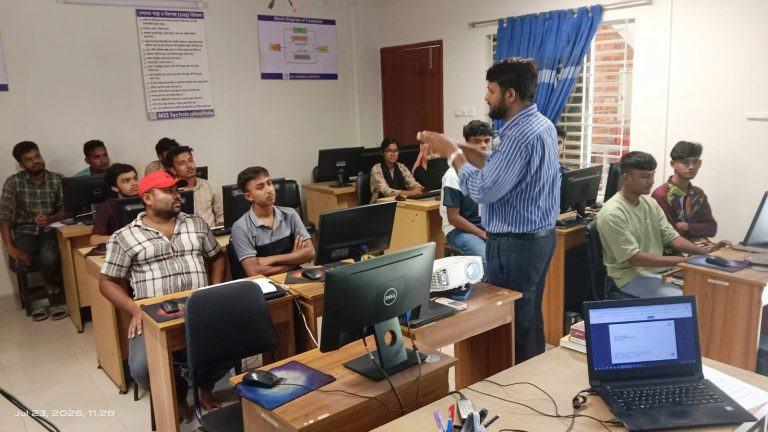
These opportunities depend on reliable connectivity, accessible devices, digital literacy, and affordable technology. Solutions must also account for the needs of people who have limited digital access or experience.
For SNAD Foundation Bangladesh, exploring the potential of practical AI means considering how technology might improve access to essential services without leaving vulnerable communities behind.
Why Cybersecurity and Responsible AI Matter
While AI can create new opportunities, its adoption also introduces risks. Cybersecurity threats, online fraud, misinformation, privacy violations, and the misuse of personal information can undermine the benefits of digital technology.
People who have limited experience with digital tools may be particularly vulnerable to online scams and misleading information. Organizations also need to consider how they protect personal data and use digital systems responsibly.
Promoting digital safety should therefore accompany efforts to expand access to technology.
Important measures include raising awareness of online fraud, using strong passwords and multifactor authentication, protecting sensitive information, checking the reliability of AI-generated content, and ensuring appropriate human oversight.
Responsible AI use also requires attention to fairness, accuracy, transparency, and accountability. Technology should support people and communities rather than create new barriers to essential services.
Turning Global Development Priorities into Local Impact
Participation in international development discussions can help organizations reflect on emerging priorities and consider how these relate to their work on the ground.
For SNAD Foundation Bangladesh, the key themes of investment, job creation, practical AI, and inclusive economic growth connect with the broader goal of expanding opportunities for underserved communities.
Turning these priorities into meaningful outcomes requires collaboration, local knowledge, appropriate resources, and solutions designed around community needs. It also requires recognizing that technology alone cannot resolve challenges related to poverty, healthcare access, education, or employment.
Sustainable progress depends on combining practical approaches with the people, institutions, and resources needed to make them work.
SNAD Foundation Bangladesh’s Commitment to Inclusive Development
SNAD Foundation Bangladesh works to support underserved communities through development-focused activities and access to essential services. Its participation in the World Bank Group Annual Meetings 2026 reflects its interest in global perspectives on development, investment, employment, and emerging technology.
As AI and digital solutions continue to evolve, SNAD recognizes the importance of exploring their potential alongside digital safety, responsible use, and inclusive access.
The priority is to identify practical approaches that respond to real community needs and contribute to opportunities for improved livelihoods and well-being.
Conclusion
The World Bank Group Annual Meetings 2026 in Bangkok brought important development themes into focus, including job creation, investment in emerging markets, practical AI, and inclusive economic growth.
For SNAD Foundation Bangladesh, these themes reinforce the importance of connecting global perspectives with local priorities. Whether through exploring technology for rural healthcare, considering opportunities in agriculture and financial inclusion, or supporting community livelihoods, the objective remains to help expand opportunities for underserved people.