
Vocational training is a form of practical education that helps people develop the skills and knowledge needed for a specific occupation. Unlike education that focuses mainly on academic subjects, vocational training emphasizes hands-on learning and job-related abilities.
It can prepare individuals for careers in fields such as automotive repair, driving, electrical work, refrigeration and air conditioning, construction, information technology, and other technical trades.
In Bangladesh, vocational education and training play an important role in helping young people develop practical skills that can support their entry into the workforce. The International Labour Organization (ILO) highlights the importance of training systems that respond to labour market needs and help improve employment opportunities for young people. <Cite refs={[“turn906825search0″,”turn906825search1”]}/>
What Are the Main Types of Vocational Training?
Vocational training covers a wide range of occupations. The type of training a person chooses usually depends on their interests, abilities, and the skills required in their preferred career.
Common types include:
- Automotive training: Vehicle maintenance, engine servicing, troubleshooting, and repair.
- Driving training: Road safety, traffic rules, vehicle handling, and practical driving skills.
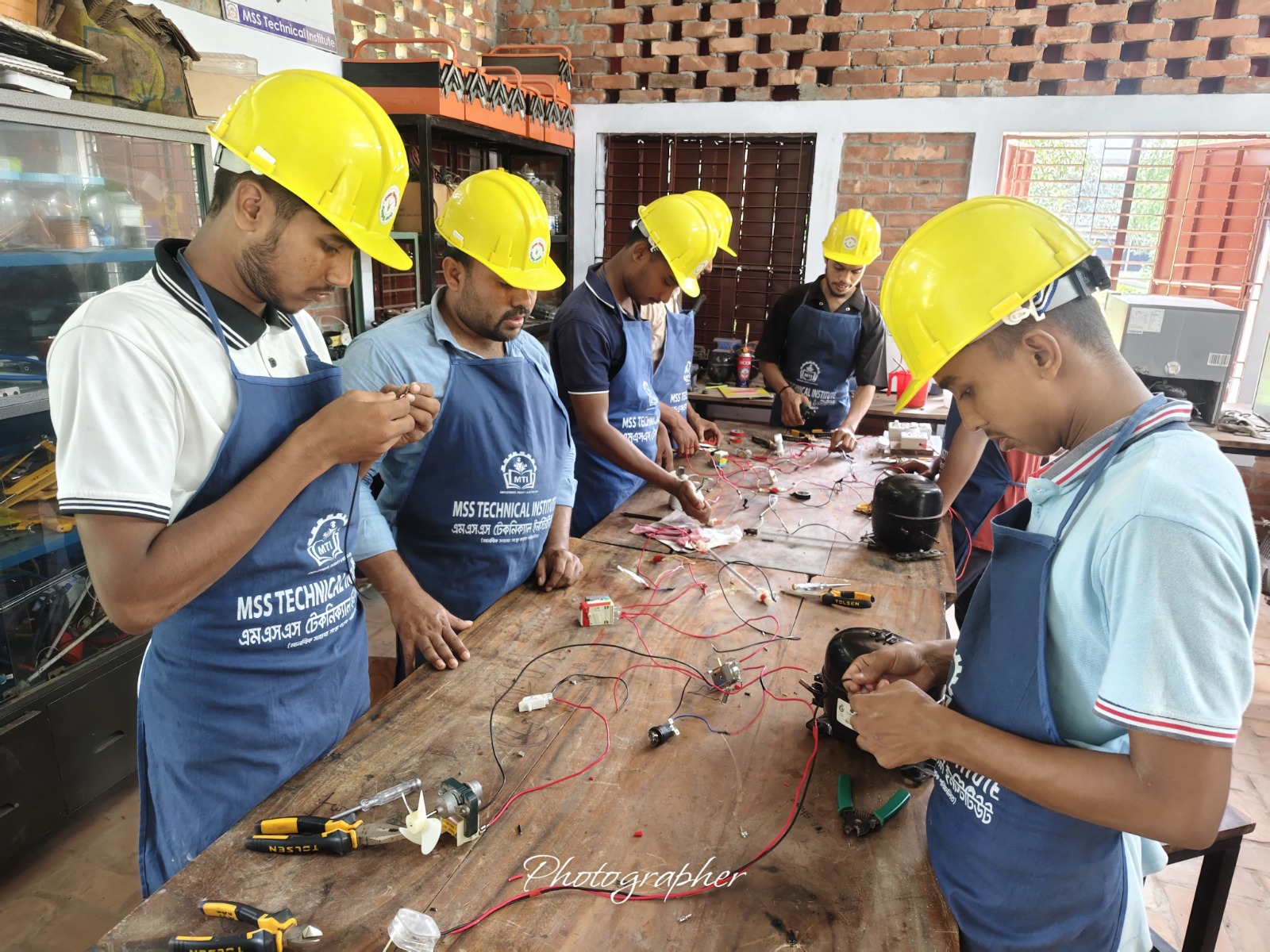
- Electrical training: Electrical installation, wiring, maintenance, and repair.
- Refrigeration and air conditioning: Installation, servicing, and maintenance of cooling systems.
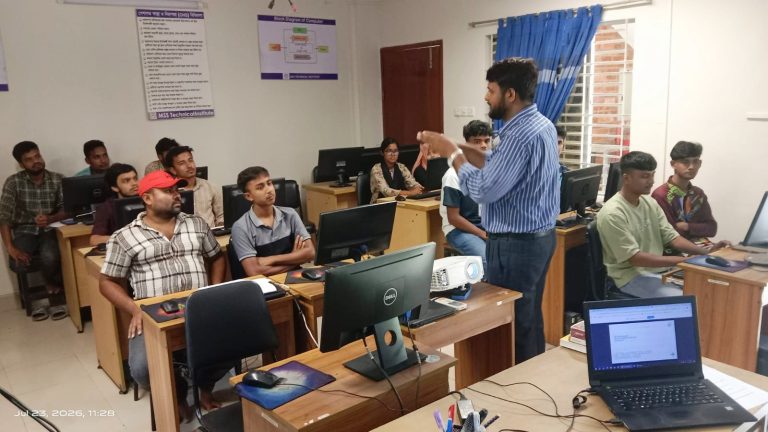
- Computer and IT training: Digital skills, software applications, and technical support.
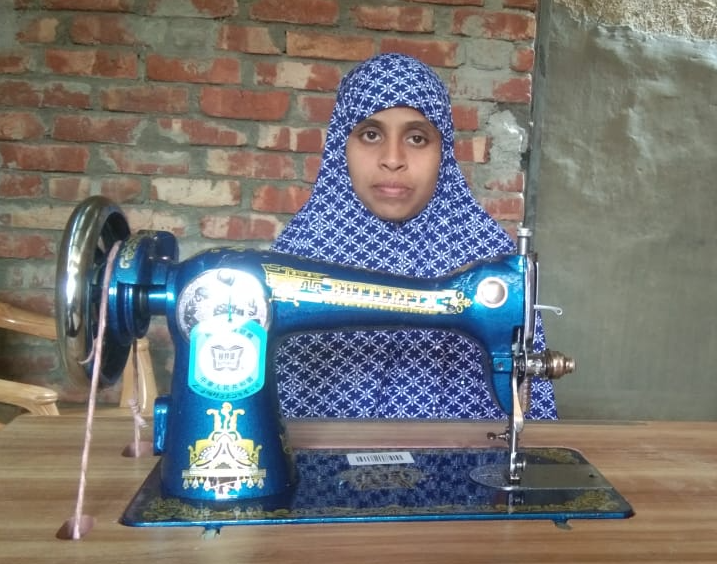
- Tailoring and dressmaking: Garment construction, sewing, and clothing alterations.
- Welding and mechanical trades: Metalworking, fabrication, and equipment maintenance.
These training options can help learners prepare for different technical and service-based occupations. The most suitable option depends on local employment demand, training quality, and the learner’s career goals.
What Are the Benefits of Vocational Training?
Vocational training offers several potential benefits for young people who want to develop practical skills and prepare for working life.
1. Practical, Job-Related Skills
Vocational courses allow learners to practice the tasks associated with a particular occupation. This hands-on experience can help them understand workplace requirements and apply their knowledge in real situations.
2. Improved Employment Opportunities
People with relevant technical skills may be better prepared to apply for jobs in their chosen fields. However, completing a training course does not guarantee employment. Job opportunities depend on factors such as qualifications, experience, employer requirements, and labour market demand.
3. Opportunities for Self-Employment
Some vocational skills can also support self-employment. For example, trained automotive technicians may eventually offer vehicle repair services, while individuals with suitable electrical or air-conditioning skills may explore independent service work.
4. Greater Confidence and Independence
Learning a practical skill can help individuals build confidence in their abilities. With experience and continued learning, they may become better prepared to take on professional responsibilities and plan their careers.
5. A Foundation for Further Learning
Vocational training can provide a starting point for advanced technical education, additional certifications, or specialization in a particular trade.
What Career Opportunities Are Available After Vocational Training?
Career opportunities depend on the training completed and the skills acquired.
For example, individuals who receive driving and auto mechanics training may explore opportunities such as:
- Driver, where they meet the relevant licensing and employment requirements.
- Automotive workshop assistant.
- Vehicle maintenance assistant.
- Junior auto mechanic.
- Garage or service-centre employee.
- Future self-employment in vehicle-related services, with sufficient experience and resources.
These are potential career pathways rather than guaranteed outcomes. Practical experience, appropriate certification, road-safety knowledge, and continued skill development can all influence employment prospects.
Why Is Vocational Training Important for Young People in Bangladesh?
Young people need opportunities to develop skills that can be applied in real workplaces. Vocational training can help bridge the gap between learning and employment by combining technical knowledge with practical experience.
The ILO’s Skills 21 initiative in Bangladesh focuses on strengthening technical and vocational training and improving its connection with labour market requirements. Its work highlights the importance of relevant skills development, quality training, and cooperation between training providers and employers. <Cite refs={[“turn906825search0″,”turn906825search3”]}/>
For young people from financially disadvantaged backgrounds, access to suitable training can be particularly important. Affordable or free training opportunities may reduce some barriers to learning and help participants prepare for future employment or self-employment.
How SNAD Foundation’s PROTIVA Program Supports Skills Development
SNAD Foundation Bangladesh’s flagship technical training program, PROTIVA (Professional Resourcefulness and Orientation for Technical Innovation and Vocational Advancement), provides selected trainees with the opportunity to participate in vocational skills development.
Under PROTIVA, selected trainees are receiving free Driving cum Auto Mechanics training through a six-month course.
The training provides opportunities to develop practical driving skills alongside knowledge and hands-on abilities related to vehicle maintenance and repair. By combining these areas, the course aims to help participants build a broader foundation of technical competence.
Driving and auto mechanics training can be relevant to several vehicle-related occupations. The skills acquired may help trainees prepare for future employment opportunities, subject to the required qualifications, licensing, experience, and availability of suitable jobs.
Through initiatives such as PROTIVA, SNAD Foundation Bangladesh seeks to support practical skills development and help young people prepare for a more independent future.
Interested in Skills Development Opportunities?
Are you a young person looking to develop practical skills, or do you represent an organization interested in vocational training and youth empowerment in Bangladesh?
Get in touch with SNAD Foundation Bangladesh to learn more about our work, PROTIVA, and our skills development activities.
Our team can provide information about the organization’s programs and direct you to the appropriate contact for relevant inquiries. Please note that participation in specific training courses depends on availability and eligibility; contacting SNAD Foundation does not guarantee admission to a training program.
Contact SNAD Foundation Bangladesh:
- Website: https://www.snadfoundation.org/
- Contact Us: https://www.snadfoundation.org/contact-snad-foundation-bangladesh/
- Email: info@snadfoundation.org
- Phone: 01819532508
Whether you are seeking information about our programs or exploring potential collaboration on youth skills development, we welcome relevant inquiries.