
Women empowerment in Bangladesh is essential for building a more equal, prosperous, and sustainable society. Over the past few decades, Bangladesh has made significant progress in education, healthcare, and economic development. However, many women still face challenges such as poverty, limited access to opportunities, gender discrimination, and social barriers that prevent them from reaching their full potential.
Empowering women is not only a matter of human rights but also a key driver of economic growth, community development, and social progress. When women have access to education, skills training, healthcare, and economic opportunities, entire families and community’s benefit.
What Is Women’s Empowerment?
Women’s empowerment refers to the process of enabling women to make informed decisions, access opportunities, participate in society, and achieve financial independence. It involves promoting equal rights, eliminating discrimination, and creating an environment where women can contribute fully to social, economic, and political life.
Empowerment is about giving women the confidence, resources, and opportunities needed to improve their lives and support their families.
Why Women Empowerment Matters in Bangladesh
Bangladesh has experienced remarkable development in recent years, yet many women continue to face obstacles that limit their opportunities. Women empowerment in Bangladesh is important because it helps address these challenges while contributing to national development.
When women are empowered, they can:
- Participate in income-generating activities
- Support their children’s education
- Improve family health and nutrition
- Make informed decisions about their future
- Contribute to local economic growth
- Take leadership roles within their communities
Empowered women create stronger families and more resilient communities.
The Role of Education in Women’s Empowerment
Education is one of the most effective tools for empowering women. Access to quality education enables girls and women to acquire knowledge, develop skills, and pursue better opportunities.
Educated women are more likely to:
- Secure stable employment
- Delay early marriage
- Advocate for their rights
- Support their children’s education
- Participate in community development
Investing in girls’ education creates long-term benefits that extend across generations.
Economic Empowerment and Financial Independence
Economic empowerment is a critical component of women’s empowerment in Bangladesh. Many women face financial barriers that limit their ability to achieve independence and improve their living conditions.
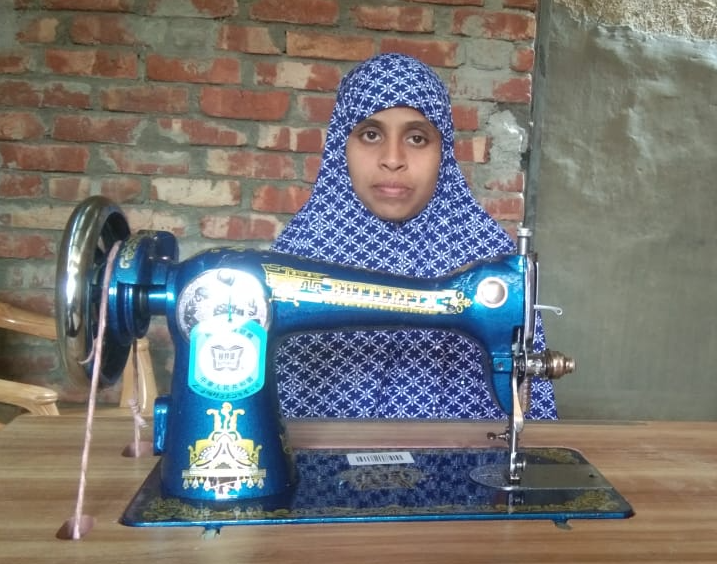
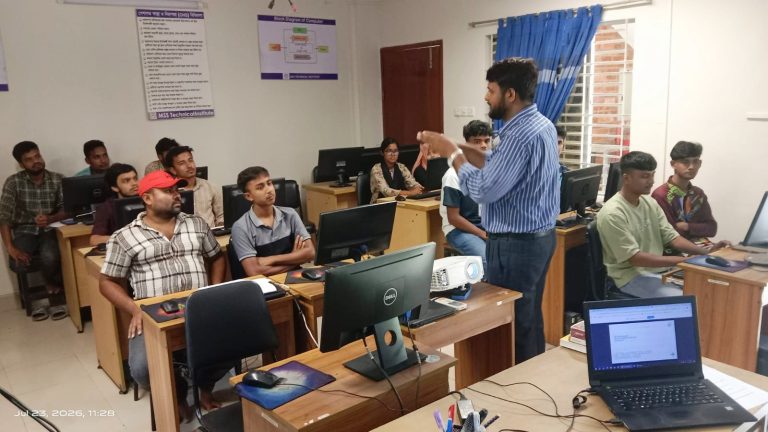
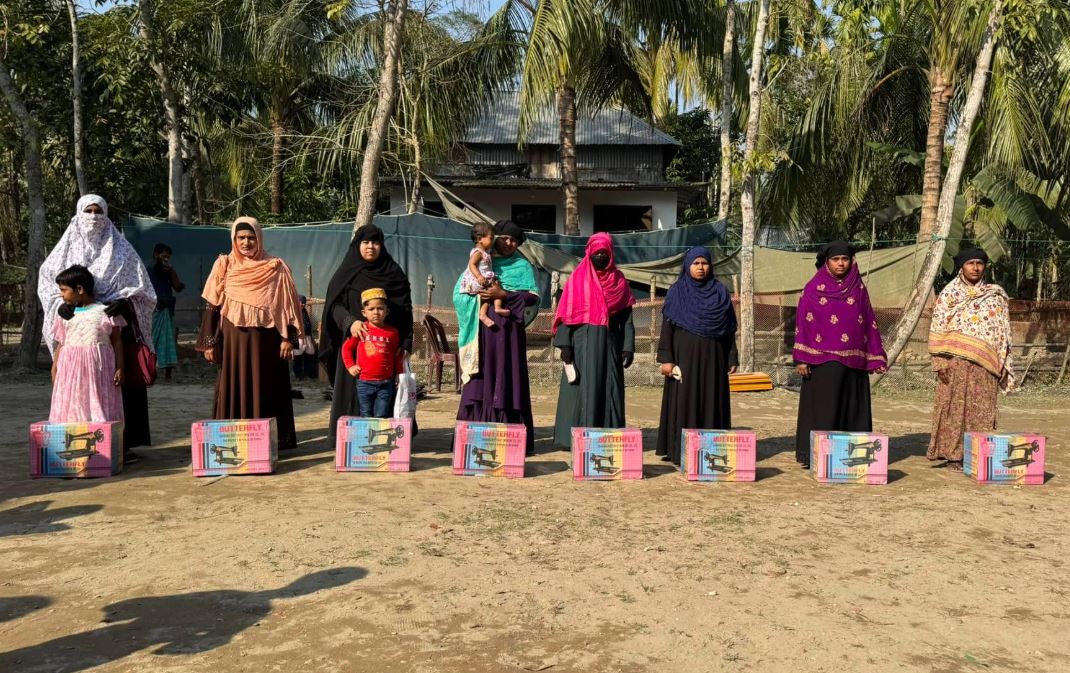
Vocational training, entrepreneurship support, small business development, and employment opportunities help women generate income and become financially self-sufficient.
When women earn an income, they often invest in:
- Children’s education
- Healthcare services
- Nutrition and food security
- Household improvements
- Community development
As a result, economic empowerment contributes to both poverty reduction and sustainable development.
Women’s Empowerment and Community Development
Communities thrive when women actively participate in decision-making and leadership. Women often play a vital role in addressing local challenges, supporting vulnerable populations, and promoting social progress.
Empowered women contribute to:
- Improved family well-being
- Better health outcomes
- Increased school enrollment
- Reduced poverty
- Stronger social networks
- Community resilience
Their involvement helps create more inclusive and equitable communities.
Challenges Facing Women in Bangladesh
Despite significant progress, several challenges continue to affect women across Bangladesh.
These challenges include:
- Gender discrimination
- Limited access to employment
- Early marriage
- Gender-based violence
- Unequal educational opportunities
- Social and cultural barriers
Addressing these challenges requires coordinated efforts from government institutions, NGOs, community leaders, educational organizations, and civil society.
The Role of NGOs in Women’s Empowerment
Non-governmental organizations play an important role in advancing women’s empowerment in Bangladesh. Through education, vocational training, healthcare support, livelihood programs, and awareness campaigns, NGOs help women gain the skills and resources needed to improve their lives.
Many organizations work to create opportunities that allow women to become financially independent, develop leadership skills, and participate actively in community development.
These initiatives contribute to long-term social and economic progress while promoting gender equality.
Building a More Equal Future
Women’s empowerment is not only beneficial for women themselves; it benefits families, communities, and the nation as a whole. By investing in education, healthcare, economic opportunities, and leadership development, Bangladesh can continue making progress toward a more inclusive and prosperous future.
Creating equal opportunities for women helps reduce poverty, improve social outcomes, and strengthen economic growth.
Learn more about:
EmpowerHer: Advancing women’s skills and economic empowerment
SNAD Foundation’s Project on Empowering Women for Sustainable Livelihoods
Conclusion
Women empowerment in Bangladesh remains one of the most important factors for sustainable development and social progress. Empowered women contribute to stronger families, healthier communities, and a more resilient economy.
By expanding access to education, economic opportunities, healthcare, and leadership roles, Bangladesh can continue advancing gender equality and creating a brighter future for all. Empowering women today helps build stronger communities and a more prosperous nation for future generations.