
Introduction: Empowering Citizens for Stronger Democracy
SNAD Foundation has always prioritized inclusive development and community empowerment. Ahead of nationally significant elections, the foundation launched the Civic Awareness Initiative on social media to strengthen informed citizenship and responsible public participation. In a climate where misinformation, emotional narratives, and low civic literacy can undermine democracy, this initiative aimed to provide clear, credible, and non-partisan civic education to citizens across Bangladesh.
Why Civic Awareness Matters
Democracy thrives when citizens are informed, confident, and empowered to participate in decision-making processes. A vibrant democratic system is more than just casting a vote; it requires understanding electoral processes, knowing voter rights, evaluating information critically, and engaging respectfully with differing opinions.
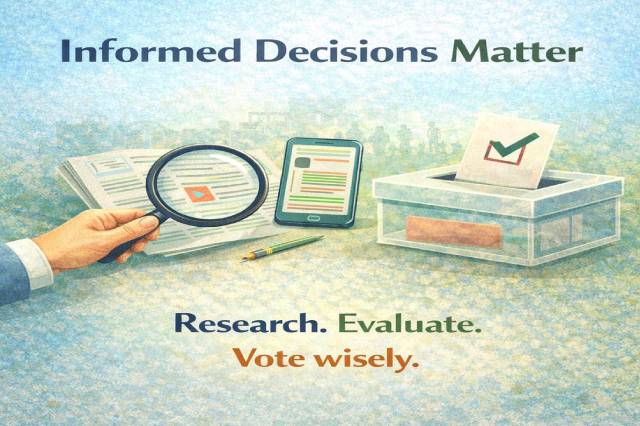
Social media, with its wide reach, offers a unique opportunity to educate citizens quickly and effectively. By providing concise, factual, and visually engaging content, the Civic Awareness Initiative addressed common challenges such as misinformation, rumor-driven narratives, and confusion around elections.
The Rationale Behind the Initiative
The Civic Awareness Initiative was designed to:
- Educate citizens on their rights, responsibilities, and the mechanics of voting and participation.
- Promote critical thinking by providing accurate, verified information on election processes and democratic principles.
- Encourage respectful engagement by fostering dialogue rooted in knowledge rather than emotion.
- Strengthen civic responsibility, particularly among first-time voters and youth, empowering them to make informed choices.
The initiative carefully maintained a non-partisan stance, ensuring that its objective remained strictly educational and empowering, not political.
Relevance in Today’s Context
With rising social media influence, misinformation spreads rapidly, often shaping perceptions before facts can be verified. In this environment, citizens need trusted, accessible guidance to navigate complex electoral processes.
The Civic Awareness Initiative was particularly relevant because:
- It promoted informed decision-making during a critical national election period.
- It addressed misinformation by offering neutral, fact-based content on social media.
- It engaged younger citizens and first-time voters who increasingly rely on digital platforms for information.
By combining education with accessibility, the initiative ensured that democratic participation remained informed and responsible.
Expected Outcomes and Impact
The initiative aimed to:
- Increase voter literacy by clearly explaining elections and democratic principles.
- Reduce the influence of misinformation on public opinion and discourse.
- Foster a culture of respectful civic engagement, encouraging citizens to discuss ideas rather than personal or partisan conflicts.
- Strengthen trust in democratic institutions by demonstrating the value of informed, independent participation.
Early feedback indicated higher engagement among youth and active sharing of educational posts, highlighting a growing awareness of civic responsibility and the importance of evidence-based decision-making.
Conclusion: Building a Responsible, Informed Citizenry
SNAD Foundation’s Civic Awareness Initiative reflects the organization’s belief that sustainable national progress depends not only on development programs but also on an engaged, informed, and responsible citizenry. By leveraging social media, the foundation has demonstrated that public education, transparency, and ethical civic behavior are essential pillars of a healthy democracy.
As Bangladesh continues to advance its democratic processes, initiatives like these set a benchmark for non-partisan, impactful civic education that empowers citizens and strengthens society as a whole.