Healthcare in Bangladesh has improved over the past two decades. Yet for millions living in villages and remote communities, access to basic medical care is still uncertain.
Long distances to clinics, shortage of doctors, lack of awareness, and poverty continue to shape daily reality. These rural health problems are not abstract statistics. They affect mothers, children, farmers, elderly people, entire families.
Here is a closer look at the top 10 health problems in rural Bangladesh and how healthcare NGOs in Bangladesh, including SNAD Foundation, are responding on the ground.
- Limited Access to Primary Healthcare
In many rural unions, the nearest health facility may be hours away. Transportation costs alone can stop families from seeking treatment.
How NGOs are responding:
Healthcare NGOs in Bangladesh organize free medical camps in remote villages, bringing doctors, medicines, and diagnostic services directly to communities. This approach reduces barriers and ensures early diagnosis.
- Maternal Health Complications
Unsafe pregnancies, lack of antenatal care, and limited access to skilled birth attendants remain major public health challenges in Bangladesh.
NGO response:
Community based maternal health programs focus on:
- Antenatal checkups
- Nutrition awareness
- Family planning education
- Safe delivery awareness
These initiatives improve outcomes for both mothers and newborns.
- Child Malnutrition
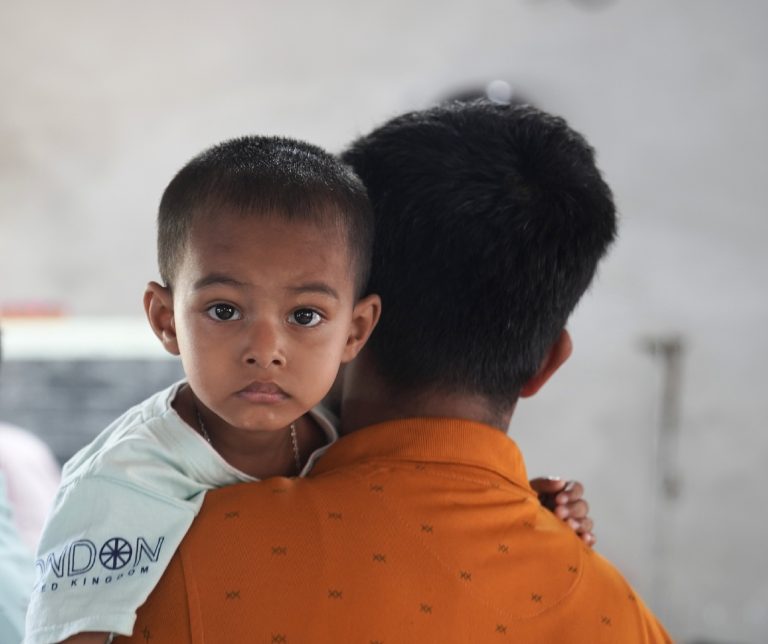
Malnutrition continues to affect thousands of children in rural Bangladesh. Poor diet, poverty, and lack of knowledge worsen the situation.
NGO response:
Through community health awareness sessions and nutrition counseling, organizations are educating mothers about balanced diets, breastfeeding, and hygiene practices.
- Communicable Diseases
Waterborne diseases, respiratory infections, and seasonal outbreaks remain common rural health problems.
NGO response:
Health camps provide:
- Free diagnosis and treatment
- Preventive education
- Hygiene and sanitation awareness
Preventive healthcare is central to improving public health in Bangladesh.
- Non-Communicable Diseases (NCDs)
Hypertension, diabetes, and heart disease are rising rapidly in rural communities, often undetected until complications arise.
NGO response:
Screening programs during health camps help detect high blood pressure and blood sugar levels early. Awareness sessions encourage lifestyle changes before conditions become severe.
- Preventable Blindness
Cataracts and untreated eye conditions continue to reduce productivity and quality of life.
NGO response:
Eye camps and free or subsidized cataract surgeries restore vision and independence. For many elderly patients, this means returning to work and daily activities with dignity.
- Cleft Lip and Palate
Children born with cleft conditions in rural Bangladesh often face stigma, malnutrition, and speech difficulties.
NGO response:
Healthcare NGOs facilitate free corrective surgeries, ensuring children receive timely treatment. Early intervention improves nutrition, speech development, and social inclusion.
- Poor Sanitation and Unsafe Water
Unsafe drinking water and inadequate sanitation contribute directly to disease spread.
NGO response:
Many NGOs integrate water, sanitation, and hygiene education into their community development programs, strengthening long term public health outcomes.
- Lack of Health Awareness
One of the biggest rural healthcare issues is simply lack of knowledge. Many people delay treatment because they do not recognize early warning signs.
NGO response:
Health education sessions, school-based awareness programs, and door to door outreach help communities understand symptoms, prevention, and when to seek medical care.
- Financial Barriers to Treatment
Even when services are available, treatment costs can be overwhelming for low-income families.
NGO response:
A healthcare NGO in Bangladesh like SNAD Foundation provides free consultations, essential medicines, and supports life changing surgeries for vulnerable families.
If you want to directly support these initiatives, you can contribute here:
https://www.snadfoundation.org/donate/
Your support allows critical healthcare services to reach people who would otherwise go without care.
The Bigger Picture: Strengthening Public Health in Bangladesh
Rural health problems are interconnected. Malnutrition affects maternal health. Poor sanitation increases communicable diseases. Undiagnosed hypertension leads to stroke and heart disease.
That is why effective healthcare in Bangladesh requires an integrated approach.
Healthcare NGOs in Bangladesh are stepping in where systems are stretched. They are:
- Bringing services to underserved communities
- Focusing on prevention, not just treatment
- Aligning with national public health goals
- Building trust at the grassroots level
SNAD Foundation’s work reflects this broader commitment to sustainable community health.
Why This Matters Now
Bangladesh cannot achieve inclusive development without solving rural healthcare issues. Healthy communities mean stronger productivity, better education outcomes, and reduced poverty.
Addressing rural health problems is not charity. It is nation building.
Be Part of the Solution
If you are searching for ways to strengthen healthcare in Bangladesh, your involvement matters.
Support a trusted healthcare NGO in Bangladesh.
Fund a medical camp.
Help restore someone’s sight.
Make surgery possible for a child.
Visit our Donate page and stand with communities that need it most:
https://www.snadfoundation.org/donate/
Together, we can close the healthcare gap and build a healthier rural Bangladesh.