
Preventive Healthcare in Bangladesh is becoming increasingly important as the country faces both communicable and non-communicable health challenges. While many people seek medical attention only after becoming seriously ill, preventive healthcare focuses on stopping diseases before they occur or identifying them at an early stage when treatment is more effective.
By promoting regular health checkups, disease screening, vaccinations, health education, and healthy lifestyles, preventive healthcare can improve the overall well-being of individuals and communities across Bangladesh.
What Is Preventive Healthcare?
Preventive healthcare refers to medical services and health practices designed to prevent diseases rather than treat them after they develop. The primary goal is to reduce health risks and improve quality of life.
Examples of preventive healthcare include:
- Regular medical checkups
- Blood pressure monitoring
- Diabetes screening
- Vaccinations
- Maternal health services
- Nutrition education
- Health awareness campaigns
Preventive care helps identify health concerns early, allowing individuals to take action before conditions become severe.
Why Preventive Healthcare Is Important
Many diseases can be managed more effectively when detected early. Unfortunately, a large number of people delay seeking healthcare until symptoms become serious.
Preventive healthcare helps:
- Reduce the risk of chronic diseases
- Detect illnesses at an early stage
- Lower healthcare costs
- Improve life expectancy
- Reduce hospital admissions
- Promote healthier communities
Investing in prevention often costs significantly less than treating advanced diseases.
Common Health Challenges in Bangladesh
Bangladesh has made notable progress in public health, but several challenges remain.
These include:
Diabetes
Diabetes continues to affect a growing number of people throughout the country. Many individuals remain undiagnosed until complications develop.
Hypertension
High blood pressure is often called a “silent disease” because many people do not know they have it until serious health problems occur.
Malnutrition
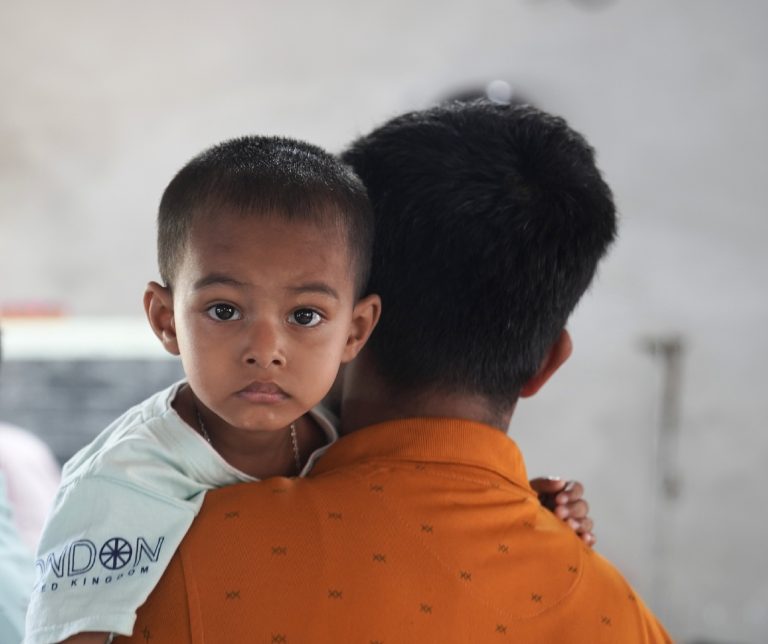
Children and vulnerable populations continue to face nutritional challenges that affect long-term health and development.
Maternal Health Concerns
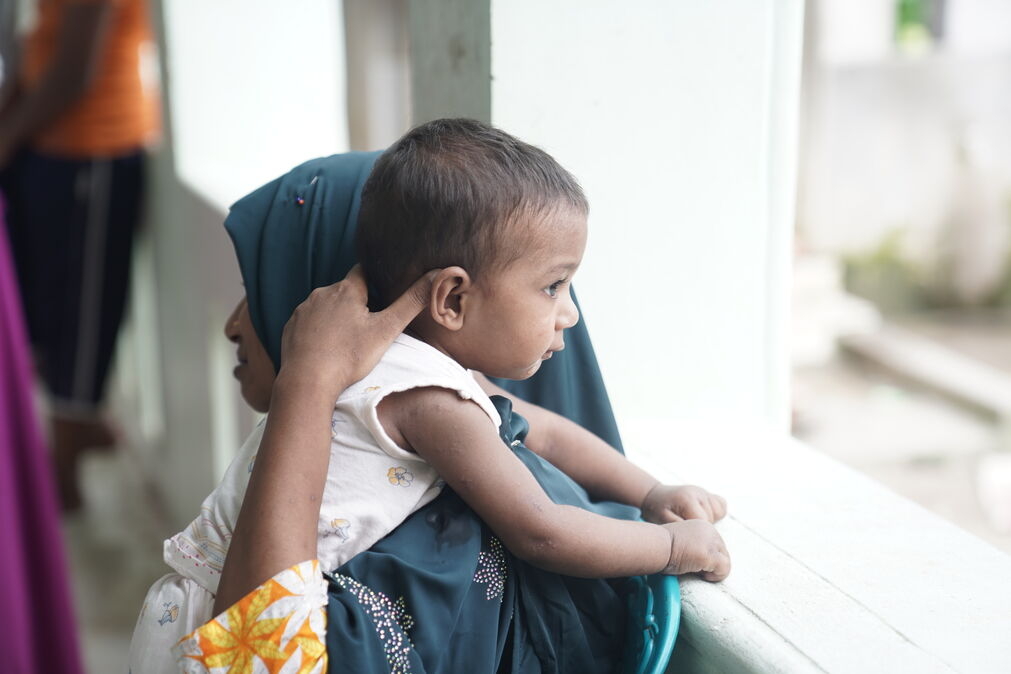
Access to quality maternal healthcare remains essential for ensuring safe pregnancies and healthy outcomes for mothers and infants.
Preventive healthcare programs can help address these challenges before they become more severe.
The Role of Health Screenings
Health screenings are one of the most effective preventive healthcare tools available today.
Regular screenings can identify:
- High blood pressure
- Elevated blood sugar levels
- Nutritional deficiencies
- Early signs of disease
Early detection allows individuals to receive treatment sooner and avoid serious complications.
Health Education Creates Awareness
Preventive healthcare is not only about medical services—it is also about education.
When people understand the causes of disease and the importance of healthy behaviors, they are more likely to make informed decisions about their health.
Health education programs often focus on:
- Proper nutrition
- Physical activity
- Hygiene practices
- Disease prevention
- Maternal and child health
Greater awareness leads to healthier communities and improved public health outcomes.
Preventive Healthcare in Rural Communities
People living in rural areas often face challenges such as limited healthcare facilities, transportation difficulties, and financial barriers.
Community health initiatives, medical outreach programs, and local health camps can help bring preventive healthcare services directly to underserved populations.
These programs often provide:
- Basic health screenings
- Medical consultations
- Health education
- Referral services
As a result, more people can access healthcare before serious medical problems develop.
Economic Benefits of Prevention
Preventive healthcare also offers significant economic benefits.
When diseases are detected early:
- Treatment costs are often lower
- Families face fewer financial burdens
- Individuals can remain productive
- Healthcare systems experience less strain
A healthier population contributes to stronger communities and sustainable development.
Building a Healthier Future for Bangladesh
The future of healthcare in Bangladesh depends not only on hospitals and treatment facilities but also on prevention. Encouraging regular checkups, improving health awareness, and expanding community healthcare programs can help reduce the burden of disease nationwide.
Government agencies, healthcare providers, NGOs, and communities all have a role to play in promoting preventive healthcare.
Learn More:
Why Community-Based Healthcare Matters in Bangladesh?
The Role of NGOs in Community Development in Bangladesh
Conclusion
Preventive Healthcare in Bangladesh is essential for improving public health, reducing healthcare costs, and enhancing quality of life. Through early detection, health education, regular screenings, and community-based healthcare services, individuals can take proactive steps to protect their health.
As Bangladesh continues to develop, strengthening preventive healthcare will remain one of the most effective strategies for building healthier and more resilient communities.