Bangladesh has made remarkable economic progress over the past decades. Yet sustainable growth is not measured only in GDP. It is measured in stronger villages, educated children, healthy families, and resilient communities.
This is where community development Bangladesh efforts become critical. Across rural and underserved areas, NGOs play a central role in bridging gaps that government systems alone cannot fully address.
From healthcare and education to livelihoods and climate resilience, a nonprofit organization Bangladesh network continues to shape grassroots transformation.
What Is Community Development?
Community development goes beyond charity. It focuses on long term empowerment.
It means:
- Strengthening local capacity
- Improving access to essential services
- Creating income opportunities
- Promoting education and awareness
- Building social inclusion
True community development Bangladesh initiatives are participatory. Communities are not passive recipients. They are active partners.
Why NGO Support in Bangladesh Matters
Bangladesh has one of the largest NGO sectors in the world. This ecosystem emerged because of real needs, especially in rural areas.
NGO support in Bangladesh matters because nonprofits often:
- Reach remote villages faster
- Build trust within local communities
- Experiment with innovative development models
- Respond quickly to emergencies and crises
Where formal systems face limitations, NGOs often step in with flexible, community driven solutions.
Driving Rural Development Programs
A significant portion of Bangladesh’s population lives in rural areas. Rural development programs remain essential for reducing inequality and strengthening national progress.
NGO led rural development programs often focus on:
- Agricultural support and training
- Access to clean water and sanitation
- Primary healthcare outreach
- Women empowerment initiatives
- Skill development and vocational training
These programs address the root causes of poverty, not just the symptoms.
Strengthening Healthcare Through Community Engagement
Healthcare remains one of the strongest pillars of community development Bangladesh efforts.
Many nonprofit organization Bangladesh initiatives prioritize:
- Free medical camps in underserved regions
- Maternal and adolescent health awareness
- Screening for non-communicable diseases
- Preventive health education
By improving health access, NGOs directly enhance productivity, education outcomes, and family stability.
Healthy communities are economically stronger communities.
Expanding Educational Opportunities
Education is another cornerstone of sustainable development.
Through scholarships, school support, literacy programs, and awareness campaigns, NGOs help children stay in school and reduce dropout rates.
Education focused rural development programs empower the next generation with knowledge and opportunity.
Empowering Women and Youth
Women and youth are central to long term progress.
Community development Bangladesh initiatives often include:
- Women leadership training
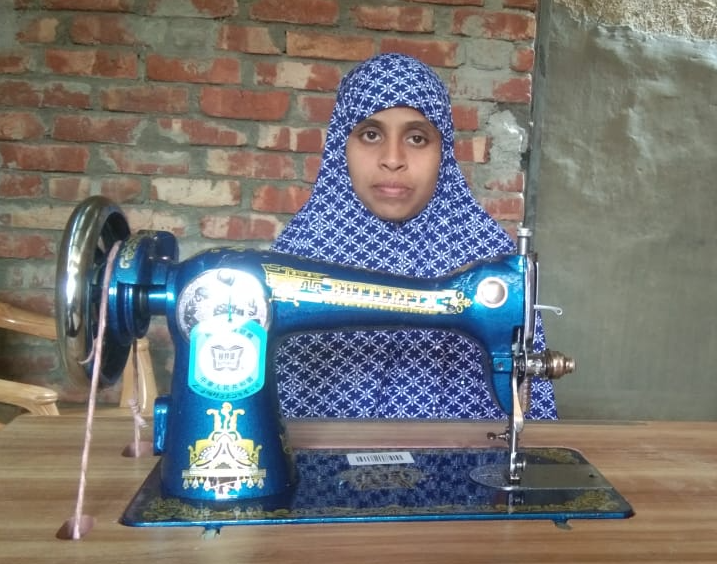
- Income generating activities
- Adolescent health programs
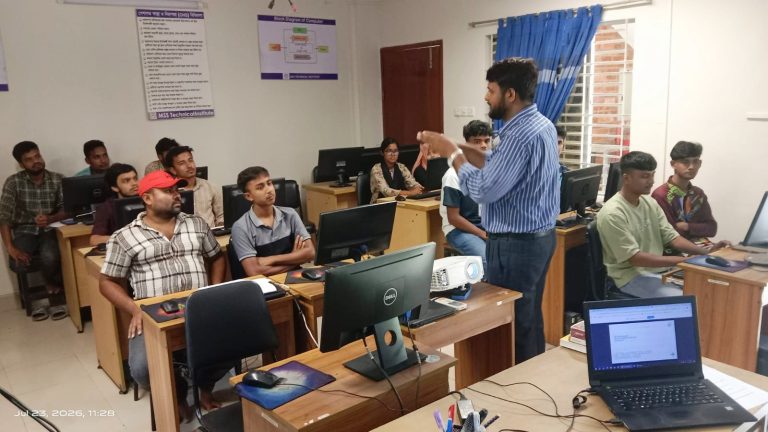
- Youth skill development workshops
When women earn income and young people gain employable skills, entire communities benefit.
Promoting Sustainable and Inclusive Growth
Modern NGO support in Bangladesh increasingly integrates environmental awareness and climate resilience into development work.
Programs may include:
- Tree plantation initiatives
- Water resource management
- Disaster preparedness training
- Sustainable agriculture practices
These efforts ensure that development today does not compromise tomorrow.
Challenges NGOs Continue to Face
While the impact is significant, nonprofit organization Bangladesh initiatives operate within real constraints:
- Funding limitations
- Regulatory compliance requirements
- Increasing demand for services
- Geographic barriers in remote regions
Despite these challenges, the NGO sector continues to innovate and adapt.
The Future of Community Development in Bangladesh
Community development Bangladesh will increasingly require collaboration.
Stronger partnerships between:
- NGOs
- Government institutions
- Corporate CSR programs
- International donors
will be essential to scale impact and ensure accountability.
The focus must remain on measurable outcomes, local participation, and sustainable solutions.
Conclusion
The role of NGOs in Bangladesh goes far beyond service delivery. They are catalysts for empowerment, facilitators of change, and partners in national development.
Through targeted rural development programs, healthcare access, education support, and livelihood initiatives, NGO support in Bangladesh continues to strengthen communities from the ground up.
Sustainable progress begins locally. And in Bangladesh, NGOs remain at the heart of that transformation.