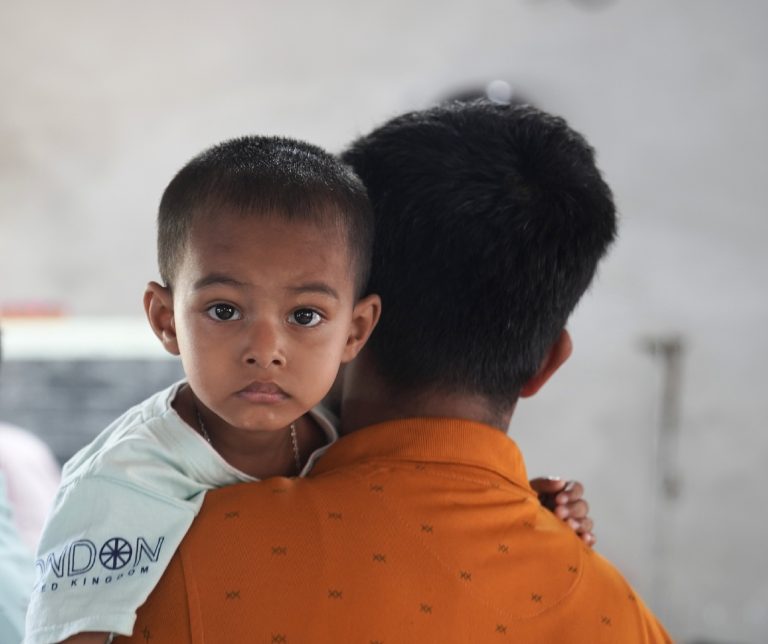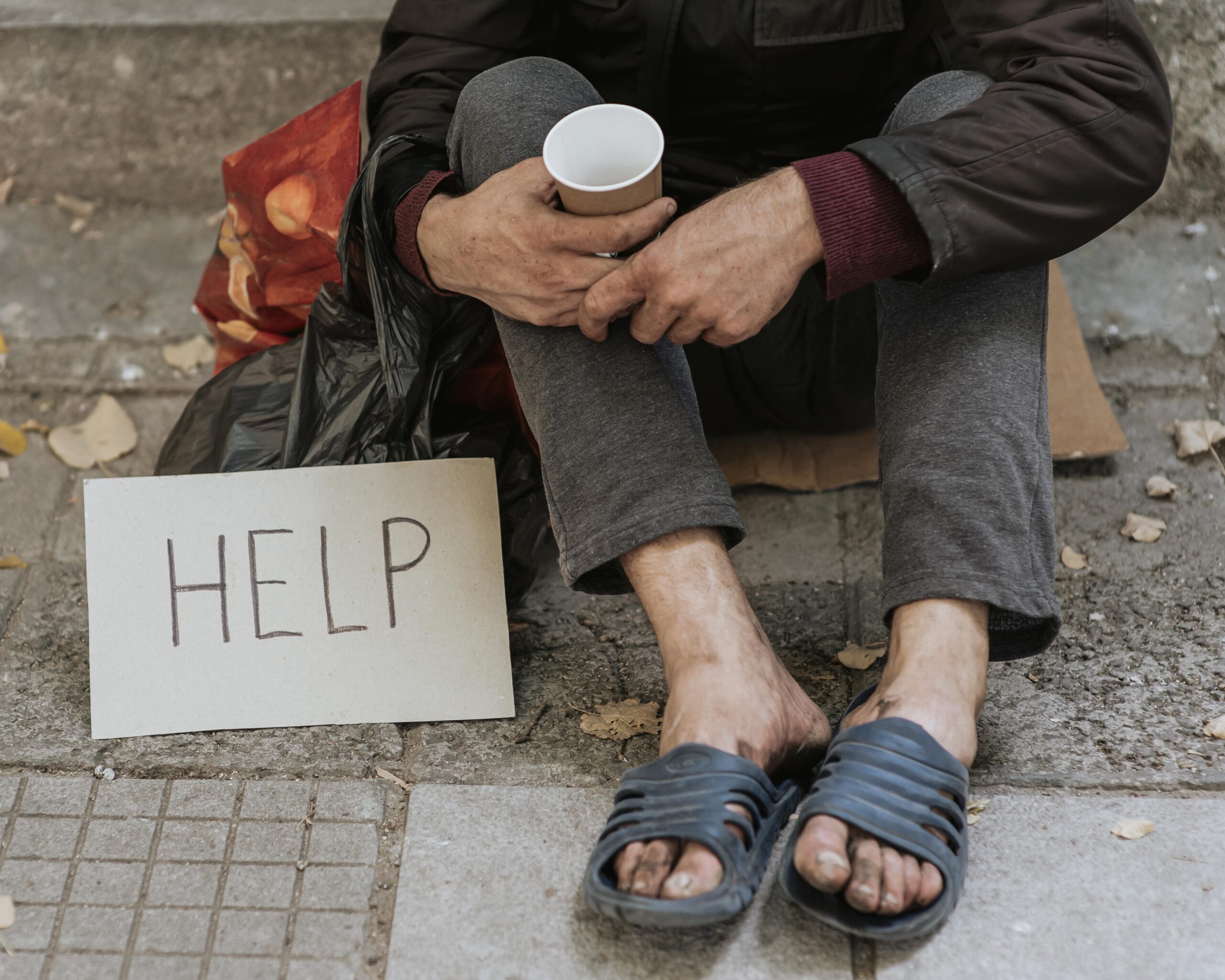

Poverty is not just about low income. It is about limited choices, fragile health, unsafe housing, and children growing up with fewer opportunities than their potential deserves. If we want to interrupt that cycle in a real and lasting way, education is where it begins.
Across Bangladesh, education support programs are proving that when a child stays in school, everything changes. Families stabilize. Communities grow stronger. Futures open up.
Poverty and Education: A Direct Link
In many low income communities, children drop out of school for simple but painful reasons. School fees, books, uniforms, transportation, or the need to earn income at home. Once a child leaves school early, their options shrink. Low skilled work leads to low wages. The cycle repeats.
This is where an effective education NGO Bangladesh model becomes powerful. By removing financial and structural barriers, these organizations keep children in classrooms and on a path toward independence.
Education is not charity. It is infrastructure for human potential.
- Scholarships That Keep Children in School
A well designed scholarship for poor students Bangladesh does more than pay tuition. It covers exam fees, books, uniforms, and sometimes even meals. It gives parents breathing room. It sends a clear message to the child: your education matters.
When students complete secondary school, their lifetime earning potential rises significantly. When they move on to college, technical institutes, or vocational training, that impact multiplies.
One scholarship can shift the direction of an entire family.
- Literacy Programs That Build Strong Foundations
Primary education is critical. But foundational literacy is the real game changer.
Many literacy programs Bangladesh focus on early grade reading, remedial classes for out of school children, and adult literacy for parents. When children can read confidently by grade three, they are more likely to stay in school and perform better across all subjects.
Adult literacy matters too. Educated parents are more likely to value schooling, support homework, and make informed decisions about health and finances. The ripple effect is powerful.
- Reducing Child Labor and Early Marriage
Education support programs directly reduce child labor and early marriage. When school becomes accessible and affordable, families are less pressured to send children to work.
For girls in particular, staying in school delays early marriage, improves health outcomes, and increases economic participation later in life. Educated women reinvest more in their families and communities. That is how poverty breaks, not just for one generation, but for the next.
- Linking Education to Skills and Employment
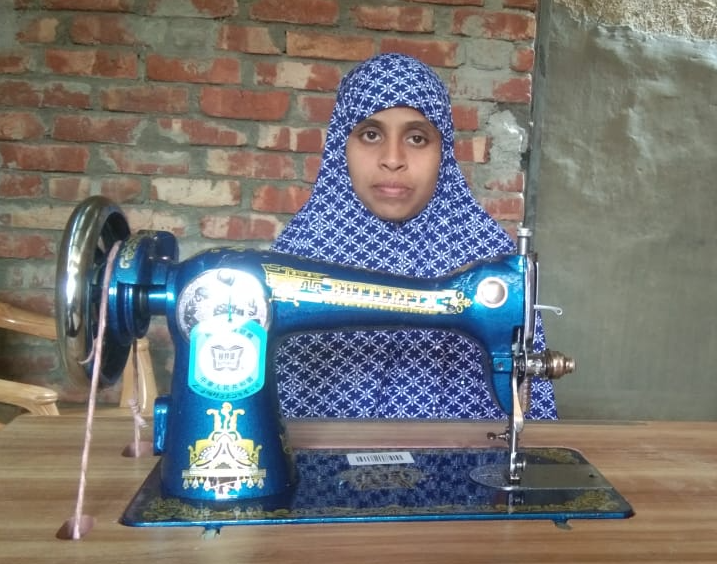
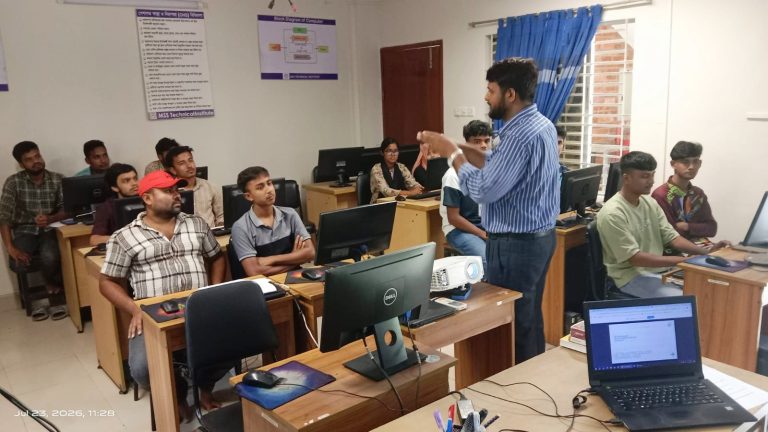
Education alone is not enough if it does not connect to opportunity. The most effective education NGO Bangladesh initiatives integrate career counseling, vocational training, and digital literacy.
Students gain practical skills alongside academic learning. They graduate not only with certificates, but with employable abilities.
When a young person moves from school to meaningful employment, the poverty cycle loses its grip.
- Building Community Level Impact
Education support programs do not only transform individual lives. They reshape entire communities.
Higher literacy rates improve public health awareness. Skilled youth contribute to local businesses. Families with stable incomes invest in better housing and nutrition. Over time, communities shift from dependency to resilience.
This is the long term impact of structured rural and urban education initiatives across Bangladesh.
Why Education Investment Is the Smartest Investment
Every taka invested in education creates measurable social return. Reduced poverty. Lower crime rates. Improved health. Stronger civic participation.
When donors support scholarship for poor students Bangladesh or fund literacy programs Bangladesh, they are not giving short term relief. They are building human capital.
Education support programs work because they address poverty at its root. They equip children with knowledge, skills, and confidence. They give families hope backed by opportunity.
And once opportunity enters the picture, poverty no longer defines the future.
If you are considering supporting an education NGO Bangladesh initiative, look for programs that focus on long term continuity, measurable outcomes, and community involvement. Sustainable change requires structure, accountability, and commitment.
Breaking the cycle of poverty is not about temporary aid. It is about empowering minds, one student at a time.